
Financial Document Organization and Storage
Mastering Financial Document Organization and Storage
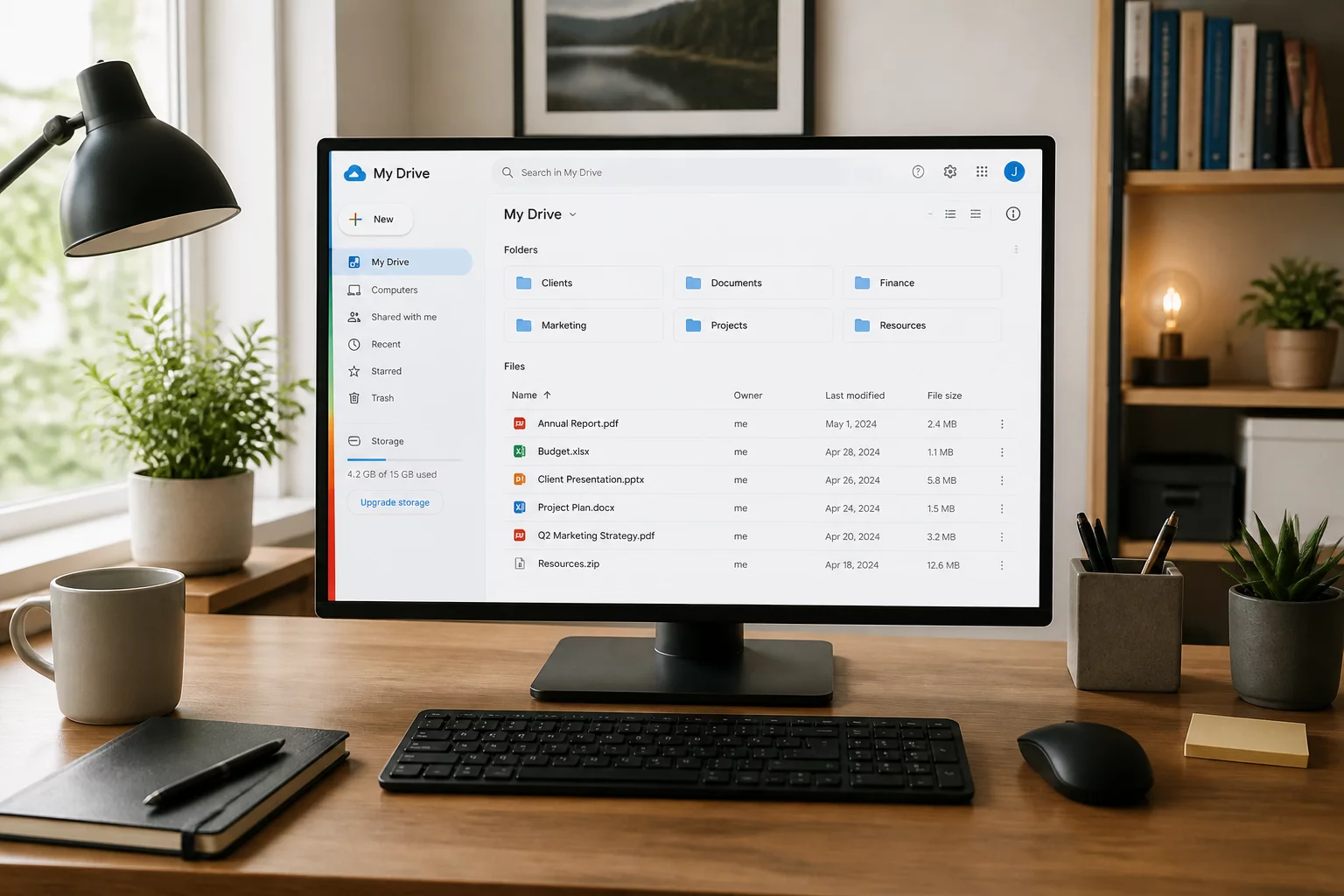
Paper clutter and disorganized digital folders slow down operations and increase administrative stress. Financial document organization involves sorting, labeling, and securely archiving every contract, receipt, tax form, and statement. When every file has a designated digital home, searching for critical information takes seconds instead of hours.
Moving toward a structured archiving system protects sensitive information while ensuring that records are always ready for review. Professional support helps organizations transition from messy filing cabinets to streamlined, searchable digital repositories.
Best Practices for Archiving Records
An effective document management system relies on clear naming conventions and logical folder structures. Several foundational principles guide this process:
- Creating standardized naming formats for all digital files.
- Grouping documents into chronological and categorical folders.
- Implementing secure backup routines to prevent data loss.
- Restricting access permissions to authorized personnel only.
- Setting retention schedules for different types of paperwork.
Adhering to these guidelines keeps archives tidy, accessible, and secure against unexpected digital mishaps.
Creating a Paperless Workflow
Transitioning away from physical paper storage frees up physical office space and drastically improves efficiency. Digital files can be searched instantly using keywords, shared securely with authorized advisors, and protected through robust encryption protocols.
By entrusting document organization to specialists, businesses eliminate the risk of misplaced paperwork and ensure complete readiness for any administrative review. Orderly archives reflect a professional operation that values security, efficiency, and clarity.