
Bank Reconciliation and Expense Tracking
The Importance of Bank Reconciliation and Expense Tracking
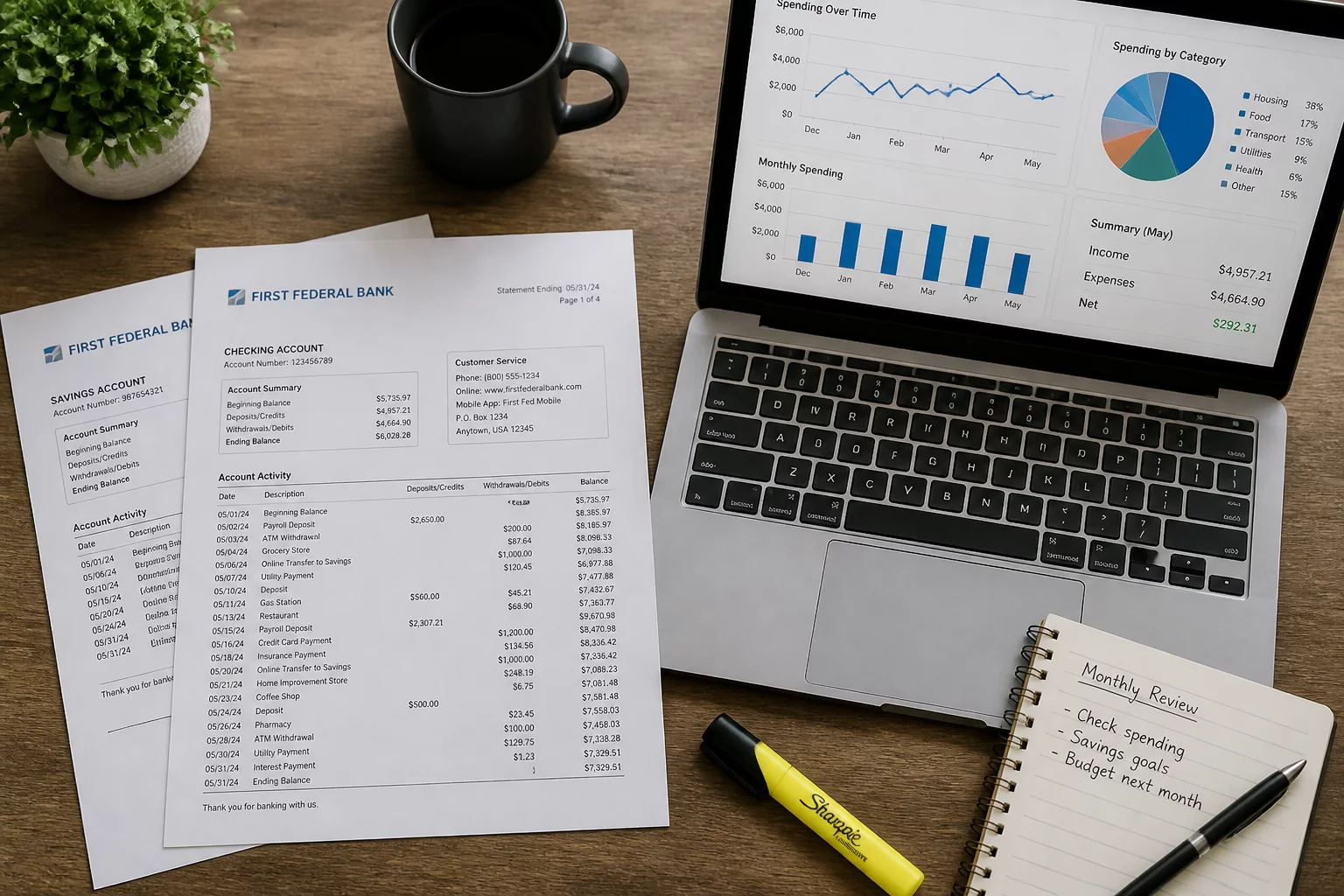
Every transaction leaves a digital footprint, but keeping all those footprints aligned requires meticulous attention. Bank reconciliation compares internal records against official bank statements to confirm that every penny is accounted for. Paired with diligent expense tracking, this practice prevents small discrepancies from turning into confusing accounting puzzles.
When receipts go missing or bank fees slip through unnoticed, financial overviews lose their reliability. Establishing a routine process for matching internal books with external statements provides absolute clarity regarding available resources.
Key Steps in Reconciling Accounts
An orderly reconciliation routine involves checking every recorded transaction against bank feeds. Consider these practical steps to maintain accuracy:
- Gathering all monthly bank statements and internal ledger logs.
- Matching individual deposits with corresponding customer payments.
- Verifying outgoing charges against authorized purchase records.
- Investigating any unexplained variances or pending transfers immediately.
- Categorizing miscellaneous bank fees into appropriate expense folders.
Executing this sequence regularly guarantees that internal numbers reflect reality without exception.
Keeping Track of Everyday Costs
Tracking expenses goes beyond simply gathering paper receipts at the end of the month. It means understanding where every resource goes in real-time. Whether covering software subscriptions, office supplies, or travel costs, categorizing each item correctly provides deep visibility into spending habits.
When leaders know exactly where funds are directed, they can identify areas for optimization without cutting essential capabilities. Professional support in this area ensures that no receipt is overlooked and every expense category remains balanced.